🌊 The Ultimate Guide to Scuba Diving in Andaman
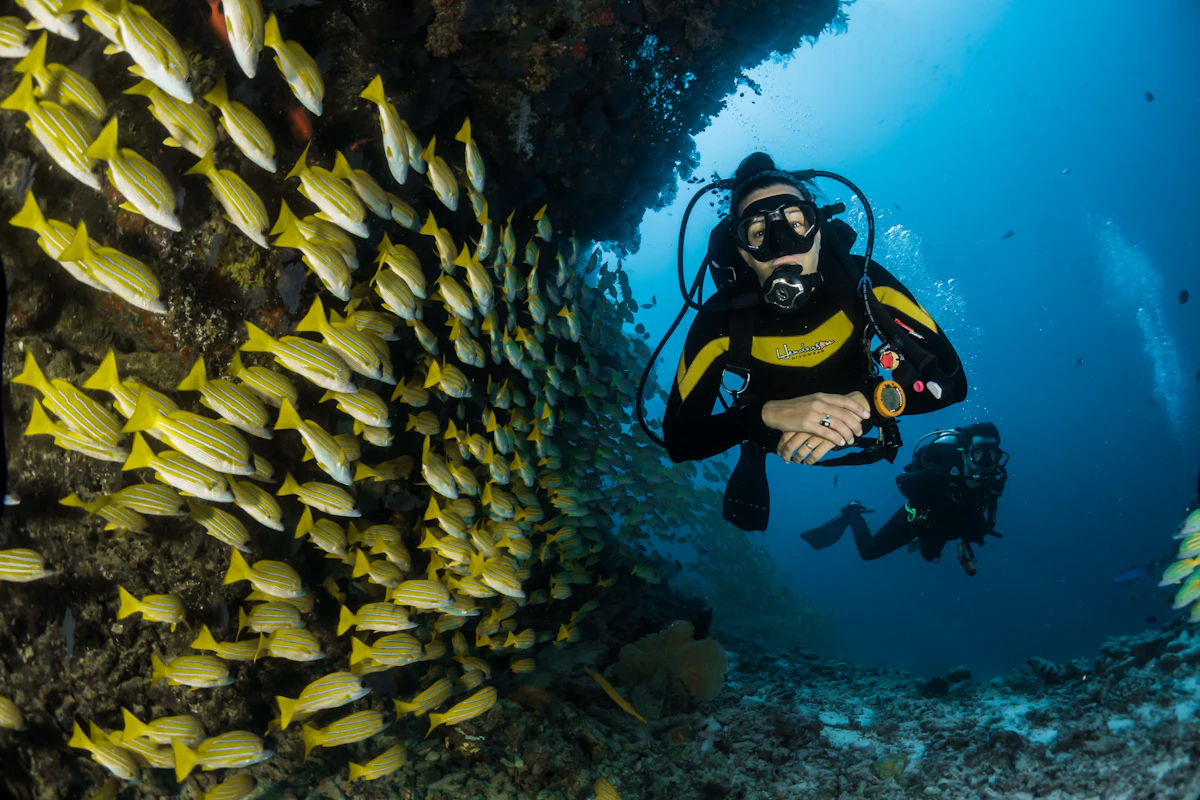
The Andaman Islands, set like emerald jewels in the Bay of Bengal, offer one of India’s most extraordinary scuba diving experiences. With crystal-clear waters, vibrant coral reefs, and an abundance of marine life, the region is a sanctuary for both beginners and seasoned divers seeking something quietly spectacular. Diving here feels less like an activity and more like entering another world. Beneath the surface, you’ll find schools of tropical fish weaving through coral gardens, sea turtles gliding with unhurried grace, and occasionally, the distant silhouette of a reef shark passing by. The visibility—often stretching up to 30 meters—makes every descent visually immersive. 🐠 Why Andaman is Special for Divers The Andaman Islands remain relatively untouched compared to other global diving destinations. This means healthier reefs, fewer crowds, and a more intimate connection with the underwater ecosystem. Popular dive sites such as Havelock Island (Swaraj Dweep) and Neil Island (Shaheed Dweep) offer a mix of shallow reefs for beginners and deeper, more challenging sites for advanced divers. 🤿 Best Time to Dive The ideal season for scuba diving in the Andaman Islands runs from October to May. During this period, the sea remains calm, currents are manageable, and visibility is at its peak. Monsoon months are generally avoided due to rough sea conditions. 🌅 For Beginners and First-Time Divers Even if you’ve never tried diving before, Andaman is an excellent place to start. Certified instructors and guided programs ensure safety while giving you a memorable introduction to the underwater world. No prior swimming expertise is required for beginner experiences like Discover Scuba Diving. 🌿 A Note on Responsible Diving The beauty of Andaman’s underwater world depends on how we treat it. Avoid touching corals, maintain buoyancy control, and follow your instructor’s guidance at all times. Responsible diving ensures these ecosystems remain vibrant for years to come.
Read blog